
Human Psychology : The Elephant and the Rider
Why Your Emotions Usually Defeat Your Logic

There is a strange moment almost every human being experiences.
You know exactly what you should do.
You should sleep earlier.
You should stop texting the person who keeps hurting you.
You should save money.
You should start exercising.
You should stop scrolling at 2:13 AM while your brain quietly rots under blue light and artificial dopamine.
You know.
And yet, you don’t do it.
For centuries, humans believed the mind worked like a kingdom ruled by reason. Logic sat on the throne. Emotions were temporary disturbances, primitive storms that civilized intelligence could eventually conquer.
But modern psychology revealed something uncomfortable:
Logic is not the king.
Emotion is.
Social psychologist Jonathan Haidt explained this beautifully using one of the most powerful metaphors in psychology:
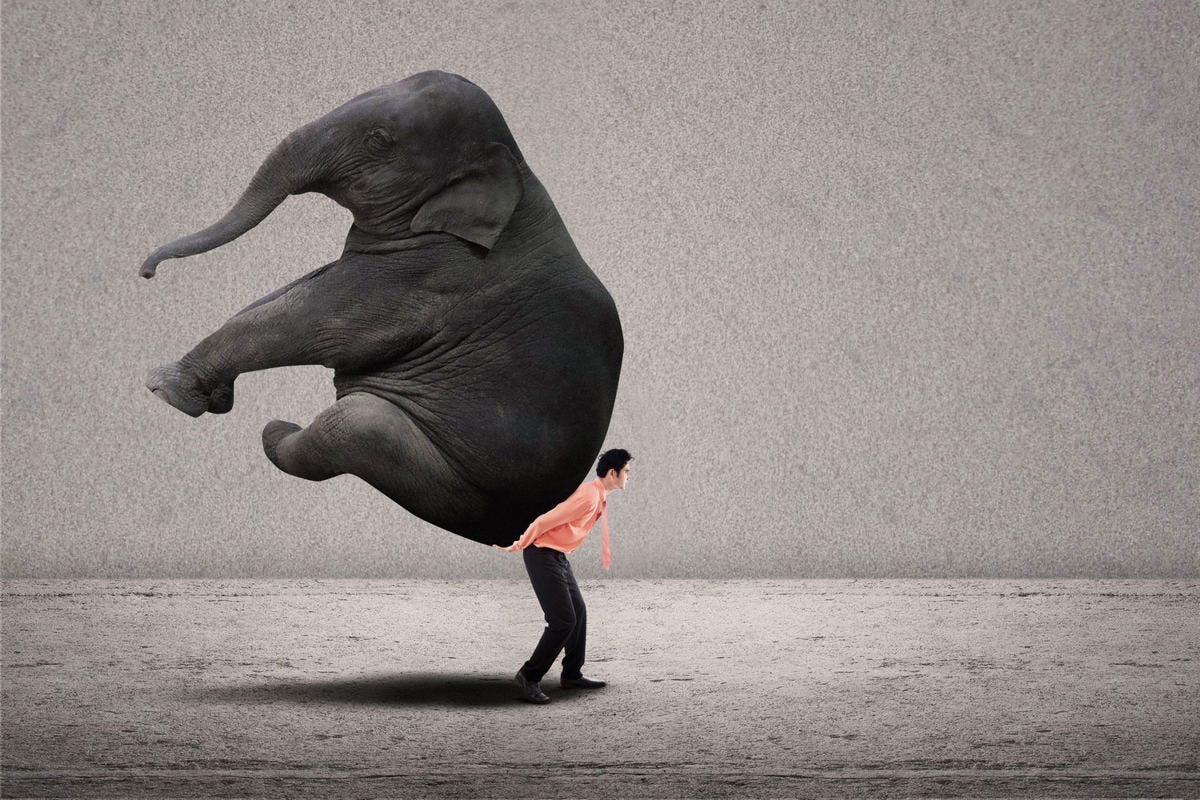
The mind is like a tiny rider sitting on top of a giant elephant.
The rider represents rational thinking, analysis, planning, decision-making.
The elephant represents emotion, instinct, fear, desire, habit, craving, trauma, intuition, impulse.
And here’s the truth most people spend their lives misunderstanding:
The rider believes he is in control.
But when the elephant truly wants something, the rider loses.
Every time.
The Lie Humans Tell Themselves
Most people imagine their decisions happen like this:
Think logically
Analyze facts
Make rational choice
Act accordingly
Reality is almost the reverse.
First, humans feel.
Then they justify.
Your emotions make the decision.
Your intellect writes the explanation afterward.
That expensive purchase?
Emotion bought it. Logic explained it.
That toxic relationship?
Emotion attached itself first. Logic defended it later.
That argument where you “knew” you were right?
Your elephant decided before your rider even opened his mouth.
Humans are not rational creatures that occasionally feel emotion.
We are emotional creatures that occasionally use reasoning.
And this changes everything.
Why Smart People Still Destroy Their Own Lives
One of the most fascinating things in psychology is that intelligence does not protect people from self-destruction.
Some of the smartest people:
ruin relationships
sabotage careers
stay in addictions
chase validation
repeat harmful habits
remain trapped in anxiety loops
Why?
Because information is weak against emotional conditioning.
A smoker knows smoking kills.
An anxious person knows their fears are irrational.
A procrastinator understands deadlines.
Knowledge alone changes almost nothing.
The rider can understand the road perfectly.
But the elephant chooses the direction.
Your Brain Was Not Designed For Happiness
This is where things become darker.
Human psychology evolved for survival — not peace.
Your ancestors survived because their brains constantly searched for:
danger
rejection
social threats
uncertainty
status loss
betrayal
The human mind is naturally biased toward negativity because, historically, relaxed humans died faster.
This explains why:
criticism hurts more than praise
heartbreak feels physical
embarrassment lasts for years
fear spreads instantly
outrage travels faster than truth online
Your elephant reacts emotionally long before logic enters the room.
This is not weakness.
It is ancient survival software.
The Internet Hijacked the Elephant
Social media understood human psychology before most humans did.
Every notification.
Every refresh.
Every “like.”
Every outrage headline.
All engineered for the elephant.
Not the rider.
Your rational mind may want peace, focus, discipline, silence.
But the elephant wants stimulation.
Novelty.
Attention.
Pleasure.
Validation.
Fear.
Comparison.
Drama.
This is why people check their phones hundreds of times daily even while claiming they hate social media.
The rider says:
“I should stop.”
The elephant says:
“One more scroll.”
And the elephant is stronger.
Self-Control Is Not What People Think
Most people think disciplined individuals possess stronger logic.
Usually, they don’t.
They simply learned how to train the elephant.
This is a profound difference.
People fail habits because they try to convince themselves intellectually while ignoring emotional design.
A person says:
“I want to wake up early.”
But their environment rewards late-night stimulation.
The elephant follows reward, not abstract goals.
You cannot defeat the elephant through lectures.
You guide it through:
environment
repetition
emotion
identity
social influence
immediate rewards
The rider speaks language.
The elephant speaks feeling.
The Most Dangerous Human Illusion
Perhaps the most dangerous illusion in modern life is believing humans are mainly rational.
History proves otherwise.
People join mobs emotionally.
Fall in love emotionally.
Hate emotionally.
Vote emotionally.
Cancel emotionally.
Worship emotionally.
Destroy emotionally.
Then afterward, they create logical explanations for actions already chosen by emotion.
The rider is often less a leader…
…and more a press secretary.
So Who Actually Controls Your Life?
Here is the uncomfortable answer:
Whatever controls your elephant controls your future.
Not your intelligence.
Not your intentions.
Not your motivational quotes.
Your emotional patterns determine:
your habits
your relationships
your addictions
your confidence
your consistency
your peace
Most people spend years trying to improve their thinking while neglecting the emotional systems underneath their behavior.
But transformation rarely happens through information alone.
It happens when emotion changes direction.
How Humans Actually Change
Real change occurs when the elephant begins wanting different things.
Not when the rider writes prettier plans.
This is why:
shame rarely motivates lasting improvement
fear creates temporary compliance
inspiration fades quickly
identity matters more than goals
environment beats willpower
A person who sees themselves as healthy acts differently.
A person who emotionally believes they deserve peace chooses differently.
The elephant moves first.
Then life follows.
The Final Truth About Human Nature
Perhaps this is the hardest truth of all:
Humans do not want merely truth or logic.
Humans want emotional coherence.
We want stories that comfort us.
Beliefs that protect us.
Identities that stabilize us.
Meaning that reduces uncertainty.
The rider wants accuracy.
The elephant wants safety.
And in moments of conflict, safety usually wins.
That is why humans stay in familiar suffering longer than they stay in uncertain freedom.
The elephant fears the unknown more than it hates pain.
But There Is Good News
The elephant is powerful.
But it is not evil.
Emotion is also:
love
art
intuition
empathy
connection
courage
wonder
meaning
Without the elephant, humans would become machines.
The goal is not to kill emotion with logic.
The goal is harmony.
A wise life is not built when the rider dominates the elephant.
It is built when the elephant trusts the rider.
And perhaps that is the real psychological skill most people spend their entire lives trying to learn:
Not how to think better.
But how to gently lead the enormous emotional creature living inside them.
Absolutely loved this piece. It would be great if you could add likewise actionable insights on how to lead the elephant
Same awesome piece the elephant is amok. Need actionable items for quick wins.