

There is something seductive about the word empath.
It sounds spiritual. Rare. Almost sacred.
It feels better to say, “I’m an empath,” than to say, “I learned to read people because I had to.”
But here is the uncomfortable truth most spiritual spaces avoid:
Many people who identify as empaths are not spiritually gifted.
They are trauma-adapted.
And that does not make them weak. It makes them intelligent survivors.
Let’s talk about it honestly.
The Child Who Had to Scan the Room
In unstable homes, children develop superpowers.
Not because they are special.
Because they must.
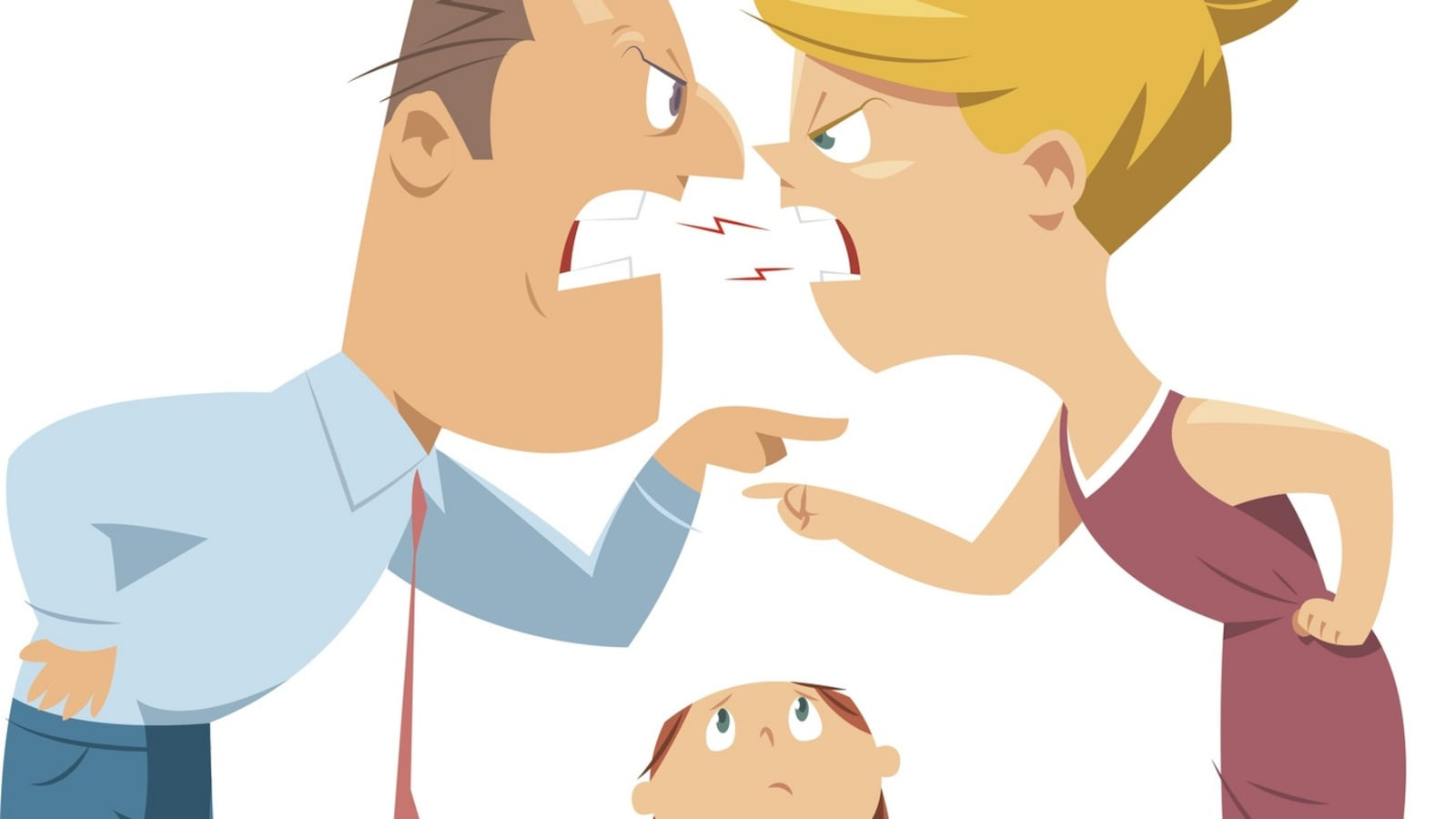
If your parent’s mood decided whether the house would feel safe or explosive, you learned to read micro-expressions before you could read books.
If anger arrived without warning, you became highly sensitive to tone shifts.
If love was conditional, you learned to anticipate emotional storms.
This is not mysticism.
This is nervous system survival.
Psychology calls it hypervigilance. Trauma research calls it adaptation. Your body calls it protection.
You call it being an empath.
Empathy or Hypervigilance?
There is real empathy. And then there is survival-based emotional scanning.
True empathy:
Feels grounded
Has boundaries
Allows you to care without collapsing
Trauma-based sensitivity:
Feels anxious
Feels responsible for others’ emotions
Feels drained after interactions
Feels unsafe when someone is upset
One comes from emotional stability.
The other comes from emotional unpredictability.
Many self-identified empaths do not just feel others’ emotions.
They feel responsible for fixing them.
That responsibility is rarely spiritual.
It is learned.
The Nervous System Behind the “Gift”
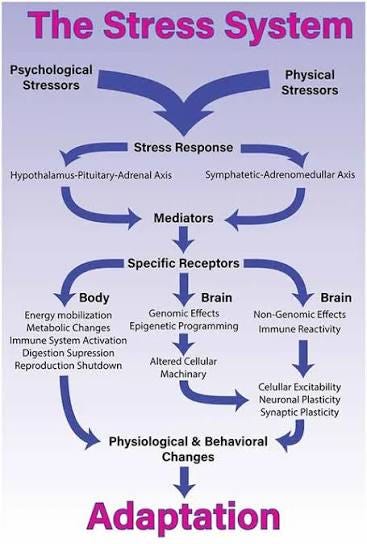
When a child grows up in chronic stress, the amygdala becomes overactive. The body stays on alert. The nervous system remains primed for threat.
This creates:
Heightened emotional perception
Fast pattern recognition
Deep attunement to shifts in energy
From the outside, this looks spiritual.
From the inside, it feels exhausting.
Your body is not channeling the universe.
It is scanning for danger.
And over time, this scanning becomes identity.
Why “Empath” Feels Safer Than “Trauma Survivor”
Calling yourself an empath feels empowering.
Calling yourself trauma-adapted feels heavy.
Spiritual language often becomes a protective layer over psychological wounds. This is not deception. It is self-preservation.
If I say I am energetically sensitive, I feel chosen.
If I say I developed sensitivity because my childhood was unpredictable, I feel vulnerable.
The ego prefers mystical identity over wounded child.
But healing begins where fantasy ends.
The Cost of Unhealed Empathy
When hypervigilance becomes personality, several patterns appear:
You overgive in relationships.
You attract emotionally unstable partners.
You struggle with boundaries.
You confuse intensity with connection.
You feel drained yet guilty for stepping back.
You may call it being “too sensitive.”
In reality, your nervous system never learned how to rest.
And rest feels unsafe.
That is not spirituality.
That is survival memory.
What Real Healing Looks Like
Healing does not remove empathy.
It stabilizes it.
When trauma heals:
You can feel without absorbing.
You can care without rescuing.
You can love without losing yourself.
You stop scanning every room for emotional shifts.
You move from hypervigilance to grounded awareness.
And that is where true spiritual depth actually begins.
Not in sensitivity.
But in regulation.
A Hard Question to Sit With
When someone around you is upset, what do you feel first?
Compassion?
Or anxiety?
If your first instinct is tension, urgency, or fear, your empathy may be rooted in survival.
And that realization is not shameful.
It is powerful.
Because once you see it, you can stop confusing trauma response with identity.
You Are Not Broken. You Are Brilliantly Adapted.
The child who learned to read emotional weather patterns was intelligent.
The adult who still carries that pattern is not flawed.
But adaptation is not destiny.
Sensitivity becomes wisdom when it is no longer fueled by fear.
You do not have to give up being empathetic.
You just have to stop being afraid.
This newsletter is independent, ad free, and built purely on depth and truth.
If you value grounded spiritual psychology without the noise, support it with a coffee.
Your support keeps this space real:
Love this! Thank you ❤️
I see your point yes. But then how do explain narcissists who also happen to have come through trauma? Is it not clearer to say some trauma survivors come out as empaths and aome as narcissists? The spiritual part of it is what determines which one they will emerge as. Spiritual part known as grace. Anyway, just adding my thoughts